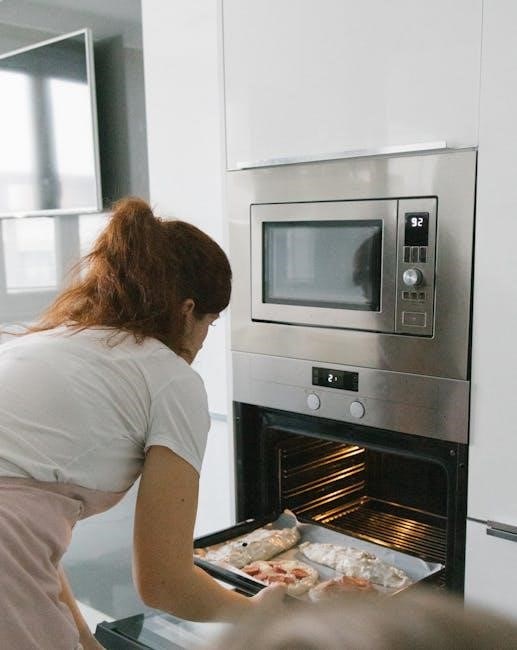
ge double oven self cleaning instructions
GE Double Oven Self Cleaning Instructions: A Comprehensive Guide
This guide provides detailed instructions for safely and effectively utilizing the self-cleaning feature on your GE double oven‚
avoiding common issues and ensuring optimal performance.
Understanding Your GE Double Oven
GE double ovens offer convenient self-cleaning cycles‚ but understanding your specific model is crucial. Before initiating the process‚ remove all oven racks and accessories‚ as high temperatures can warp or damage them – unless they are specifically labeled self-cleaning safe.
Familiarize yourself with the control panel‚ as procedures may vary slightly between models.
Knowing the cycle duration options and automatic door locking mechanism will enhance your experience.
Remember that preventative measures‚ like avoiding self-clean during busy holiday periods‚ can minimize potential disruptions.
Before You Begin: Safety First
Prioritize safety by disconnecting power to the oven before any maintenance. High temperatures are involved‚ so proceed with caution and follow all instructions carefully.
Disconnecting Power
Before initiating the self-clean cycle‚ or performing any maintenance‚ completely disconnect power to your GE double oven. Locate the circuit breaker that controls the oven and switch it to the ‘off’ position. Confirm power is off by attempting to turn on the oven – the control panel should remain dark. This crucial step prevents electrical shock and ensures your safety during the high-temperature self-clean process. Always double-check the breaker before proceeding‚ as a live electrical connection poses a significant hazard.
Removing Oven Racks and Accessories
Prior to starting the self-clean cycle‚ meticulously remove all oven racks‚ baking stones‚ thermometers‚ and any other accessories from both the upper and lower oven cavities. High temperatures generated during self-cleaning can warp or damage these items. While some newer GE ovens have self-cleaning safe racks‚ it’s best to err on the side of caution and remove them. Ensure a completely empty oven interior for optimal cleaning and to prevent potential hazards.
Initiating the Self-Clean Cycle
To begin‚ select the self-clean cycle on your GE double oven’s control panel‚ choosing the desired duration and ensuring the doors are prepared to lock.
Selecting the Clean Cycle Duration
GE double ovens typically offer varying self-clean cycle durations‚ often ranging from 2 to 4 hours‚ depending on the level of soil. Lighter cleaning may only require a shorter cycle‚ while heavily soiled ovens benefit from the extended duration.
Consider the oven’s condition when making your selection. Remember that longer cycles consume more energy.
Always refer to your specific model’s manual for recommended settings and cycle times‚ as these can differ.
Choosing the appropriate duration ensures effective cleaning without unnecessary energy usage.
Locking the Oven Doors
During the self-clean cycle‚ GE double ovens automatically lock the oven doors for safety reasons‚ preventing accidental opening during the high-temperature process. This locking mechanism is a crucial safety feature. Do not attempt to force the doors open while the cycle is running or immediately after.
The doors will automatically unlock once the oven has cooled sufficiently.
If the doors remain locked‚ consult the troubleshooting section for manual release procedures.
What to Expect During the Self-Clean Cycle
Expect high temperatures and potential odors during the self-clean cycle‚ as the oven heats to extreme temperatures to burn off residue.
High Temperatures and Odors
The self-clean cycle subjects your GE double oven to incredibly high temperatures‚ often exceeding 900°F‚ to incinerate food debris. This intense heat is necessary for effective cleaning‚ but it also produces noticeable odors. These smells are typically harmless‚ often resembling burning plastic or metal‚ as residue is broken down.
Ensure adequate ventilation by opening windows or running a range hood. Some odor is normal‚ but a strong‚ acrid smell could indicate an issue. The automatic door locking mechanism is activated due to these extreme temperatures for safety.
Automatic Door Locking Mechanism
During the self-clean cycle‚ your GE double oven’s doors automatically lock for safety reasons. This is a crucial feature‚ preventing accidental opening while internal temperatures reach extremely high levels. The locking mechanism engages shortly after the cycle begins and remains active until the oven cools sufficiently.
Do not attempt to force the doors open; this could damage the locking system. If the doors remain locked after the cycle completes and the oven has cooled‚ refer to the section on manual door release procedures.
Post-Clean Cycle Procedures
After the self-clean cycle finishes‚ allow the oven to cool completely before attempting to open the doors and wipe away any remaining ash residue.
Allowing the Oven to Cool
It is absolutely crucial to allow your GE double oven to cool down completely after the self-clean cycle concludes. The oven reaches extremely high temperatures during this process‚ posing a burn risk if opened prematurely. Do not attempt to unlock or open the doors until they are cool enough to touch safely.
This cooling period can take several hours‚ depending on the cycle duration and ambient temperature. Patience is key; forcing the doors open could damage the locking mechanism. Once cooled‚ proceed with wiping away any residual ash.
Wiping Away Ash Residue
After the oven has fully cooled‚ a fine layer of ash residue will remain inside. This is a normal byproduct of the self-clean cycle. Use a damp cloth or sponge with a mild soapy water solution to gently wipe down the interior surfaces – both the upper and lower ovens.
Avoid abrasive cleaners‚ as they can scratch the oven’s finish. Ensure all ash is removed‚ then allow the interior to dry completely before using the oven again.
Troubleshooting Common Self-Clean Issues
Addressing problems like ovens failing to turn on post-clean‚ blown fuses‚ or control panel malfunctions is crucial for restoring functionality and safety.
Oven Won’t Turn On After Self-Clean
If your GE double oven fails to power on following a self-clean cycle‚ a blown fuse is a likely culprit. Reddit discussions highlight locating fuses both behind the control panel and between the upper and lower oven compartments. A thermal protector‚ designed to trip during overheating‚ may also be the issue.
Before assuming a major component failure‚ carefully check and replace these fuses‚ referencing the wiring diagram typically found behind the control panel. Replacing the entire control board can be costly‚ as one user experienced‚ avoiding this with a simple fuse replacement.
Blown Fuses and Thermal Protectors
GE double ovens utilize fuses as a safety measure during the intense heat of the self-clean cycle. These fuses‚ often blowing to prevent further damage‚ are typically located behind the control panel and between the upper and lower oven sections. A thermal protector also exists‚ safeguarding against excessive temperatures.
Identifying the correct fuse is crucial; the wiring diagram behind the control panel details which fuse protects the control board versus the oven elements. Replacing a blown fuse restores power‚ but recurring blows indicate a deeper issue requiring professional attention.
Control Panel Malfunctions
Following a self-clean cycle‚ a completely unresponsive control panel is a common GE double oven issue. This often presents as a blank display and locked doors. While a replacement control panel may seem like the solution‚ it doesn’t always resolve the problem‚ suggesting an underlying electrical fault.
Accessing the control panel requires lifting the cooktop‚ removing hinges and screws securing the bottom tray. Before replacing the panel‚ check for blown fuses‚ as a faulty fuse can mimic a control panel failure.
Accessing the Control Panel
To reach the control panel‚ lift the cooktop as if cleaning underneath‚ then carefully remove the hinges and screws holding the bottom tray in place.
Lifting the Cooktop
Before accessing components beneath‚ carefully lift the cooktop of your GE double oven. This process is similar to cleaning underneath the drip bowls‚ providing necessary clearance. Ensure the cooktop is adequately supported to prevent accidental drops or damage. Gently raise it‚ taking note of any connected wires or components that might require disconnection.
Proceed with caution‚ as some models may have hidden fasteners. Lifting the cooktop grants access to crucial areas like the control panel and wiring‚ essential for troubleshooting self-clean issues.
Removing Hinges and Screws
After lifting the cooktop‚ the next step involves removing the hinges and screws securing the bottom tray of the oven. Carefully locate all screws holding the tray in place and systematically remove them. Pay close attention to the hinges‚ as they connect the oven door to the frame.
Disconnecting these hinges allows for complete removal of the bottom tray‚ exposing the control panel for inspection and potential repairs. Ensure you keep track of all screws for reassembly.
Checking and Replacing Fuses
Locate and inspect fuses behind the control panel and between the upper and lower ovens; a blown fuse is a common cause of post-self-clean failures.
Locating Fuses Behind the Control Panel
Accessing the fuses requires careful disassembly; First‚ lift the cooktop as if cleaning underneath‚ then remove the hinges and screws securing the bottom tray. This reveals the control panel‚ providing access to the fuses located behind it.
A wiring diagram is typically affixed nearby‚ crucial for identifying the correct fuse. Remember to disconnect power before beginning this process for safety. The diagram will indicate which fuse protects the control board and which safeguards the oven elements.
Fuse Location Between Upper and Lower Oven
Another fuse is often situated in the rear of the oven‚ nestled between the upper and lower oven cavities. This fuse is separate from those behind the control panel and requires accessing the oven’s back panel. It’s a critical component‚ frequently blowing during a self-clean cycle due to overheating protection. Consult the wiring diagram to confirm its function before replacement‚ ensuring you select the correct amperage for optimal performance and safety.
Understanding Wiring Diagrams
Wiring diagrams‚ typically located behind the control panel‚ are essential for identifying fuse functions and navigating the oven’s electrical system safely.
Accessing Wiring Diagrams
Locating the wiring diagram is a crucial step when troubleshooting after a self-clean cycle. According to online resources‚ you’ll generally need to gain access to the control panel first. This involves lifting the cooktop‚ similar to cleaning underneath the drip bowls‚ and then carefully removing the hinges and screws securing the bottom tray.
Once the tray is removed‚ the control panel becomes visible‚ and the wiring diagram should be affixed behind it. These diagrams are vital for understanding the oven’s electrical pathways and identifying specific fuse locations.
Interpreting Fuse Functions
The wiring diagram is key to understanding which fuse protects which component. Online discussions highlight that GE ovens often have multiple fuses – one protecting the control board and another safeguarding the power to the oven elements. Identifying the correct fuse is critical; replacing the wrong one won’t resolve the issue.
Specifically‚ a fuse may be designed to blow during overheating caused by the self-clean cycle‚ protecting the oven from damage. The diagram will clearly indicate each fuse’s designated function‚ enabling accurate replacement.
Dealing with Locked Oven Doors
If the oven doors remain locked after a self-clean cycle‚ a manual release procedure is necessary to regain access‚ ensuring safety and functionality.
Manual Door Release Procedures
To manually release locked oven doors after a self-clean cycle‚ first disconnect power to the oven at the breaker. Lift the cooktop as if cleaning underneath‚ then carefully remove the hinges and screws securing the bottom tray. This exposes the control panel‚ allowing access to potentially release the locking mechanism. Be cautious and consult your oven’s wiring diagram‚ if available‚ before proceeding. If unsuccessful‚ professional assistance is recommended‚ as forcing the doors open could cause damage.
Cleaning After Self-Clean
After the self-clean cycle completes and the oven cools‚ wipe the interior with a mild soapy water solution‚ if needed‚ and allow it to dry thoroughly.
Mild Soapy Water Solution
To effectively clean the oven’s interior post-self-clean‚ prepare a mild solution by mixing warm water with a small amount of dish soap. Avoid abrasive cleaners‚ as they can damage the oven’s surfaces.
Gently wipe down all interior surfaces with a soft cloth or sponge dampened with the solution. Pay attention to areas where ash residue may have accumulated.
Rinse the cloth frequently in clean water to prevent spreading the ash. Ensure all soap residue is removed before allowing the oven to dry completely.
Allowing to Dry
After wiping down the oven’s interior with the mild soapy water solution‚ it’s crucial to allow it to dry thoroughly before use. Leaving moisture can lead to streaking or even corrosion over time.
Open the oven doors and allow for natural air circulation.
You can also use a clean‚ dry cloth to wipe down any remaining moisture. Ensure the oven is completely dry before operating it again to maintain optimal performance and prevent potential issues.
Preventative Measures & Best Practices
Avoid using the self-clean function during busy holiday periods to prevent potential oven downtime and inconvenience. Use it sparingly for optimal longevity.
Avoiding Self-Clean During Holidays
Scheduling a self-clean cycle right before or during a major holiday is generally not recommended. The process can take several hours‚ potentially leaving your oven unusable when you need it most for cooking festive meals.
Furthermore‚ if an issue arises during the cycle – like a blown fuse or control panel malfunction – finding a repair technician promptly during peak holiday seasons can be challenging.
It’s best to perform self-cleaning well in advance or postpone it until after the holiday rush to avoid kitchen chaos and potential cooking disruptions.
Using Self-Clean Sparingly
While convenient‚ frequent use of the self-clean cycle can potentially shorten the lifespan of certain oven components‚ such as the heating elements and control panel. The extreme temperatures involved put stress on these parts over time.
Consider utilizing manual cleaning methods for lighter spills and messes. Reserve the self-clean function for truly stubborn‚ baked-on residue that proves difficult to remove otherwise.
Moderation is key to maintaining your GE double oven’s longevity and preventing unnecessary repairs.
Finding Your Oven’s Manual
Locating your GE double oven’s manual is crucial for model-specific instructions; generic manuals are available‚ but specific models offer detailed guidance.
Generic Owner’s Manuals
While specific manuals are ideal‚ generic owner’s manuals can provide foundational understanding of GE oven operation and self-cleaning processes. A local appliance parts store often stocks these resources‚ offering a starting point for troubleshooting or familiarizing yourself with common features.
However‚ remember that processes and methods can vary between models. These manuals offer general guidance but may not cover every nuance of your particular GE double oven. Always prioritize the specific manual if available‚ as it will contain the most accurate and detailed instructions for your appliance.
Specific Model Manuals
Locating the owner’s manual tailored to your GE double oven model is crucial for precise self-cleaning instructions. These manuals detail specific cycle durations‚ safety precautions‚ and troubleshooting steps unique to your appliance.
They offer the most accurate guidance‚ ensuring you utilize the self-clean function correctly and avoid potential damage. Refer to the model number (typically found on a label inside the oven frame) when searching online for a downloadable PDF version or contacting GE’s customer support.
When to Call a Professional
For complex electrical issues or persistent malfunctions after self-cleaning‚ contacting a qualified appliance repair technician is essential for safe and effective resolution.
Complex Electrical Issues
Attempting to diagnose or repair intricate electrical problems within your GE double oven is highly discouraged without professional expertise. Issues stemming from the self-clean cycle‚ like a complete power loss or control panel failures‚ often require specialized knowledge.
Specifically‚ problems involving the oven’s wiring‚ thermal protectors‚ or the main control board necessitate a trained technician’s attention.
Incorrectly handling these components can lead to further damage‚ safety hazards‚ or even electrical shock.
Prioritize safety and seek professional assistance for these concerns.
Persistent Malfunctions
If your GE double oven continues to exhibit problems after attempting basic troubleshooting steps‚ it’s time to call a professional. Recurring issues following a self-clean cycle‚ such as locked doors that won’t release or a non-responsive control panel‚ indicate a deeper underlying problem.
Don’t repeatedly attempt self-clean if malfunctions persist; this could worsen the damage. A qualified appliance repair technician can accurately diagnose the root cause and implement a safe‚ effective solution‚ preventing further complications and ensuring your oven’s longevity.